
Good nutrition doesn’t have to be complicated to make a big difference on court. Whether you’re a junior just starting out, a recreational adult, or a competitive player training weekly, smart nutrition supports energy levels, concentration, and recovery. We have put together a few small changes for you to try to help you play and train at your best.
Everyone's nutritional needs are different so if you would like more in-depth personalised nutritional advice we recommend reaching out to your doctor, or a qualified nutritionist like our experienced staff at Oriam Clinic.

Fuel Before you Play
Plan ahead and take time for a light snack about 60 - 90 minutes before you play. This gives you a boost of energy when you need it on court, but enough time to digest and avoid an uncomfortable full feeling whilst you're running around the tennis court.
For best results make sure your snack is balanced with some carbohydrates and protein to maintain energy and muscle function. A few quick ideas:
- Plain yogurt with fruit.
- Wholemeal toast with peanut butter.
- Rice cakes with hummus.
If you are short on time and only have 30 minutes before a match then something smaller like a banana or a smoothie are also good.
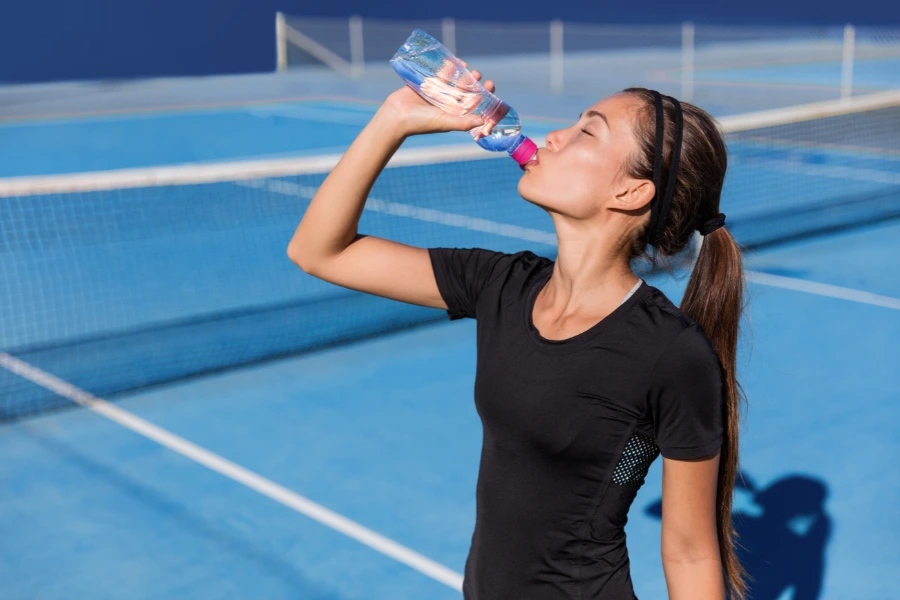
Hydration Matters
Any kind of exercise or training can cause some water loss, even if it is cold and you don't feel like you're sweating. Dehydration in tennis can leave your muscles feeling tight or even cause cramp. It can also slow down your reaction time on court and recovery time afterwards. Make sure you hydrate throughout the day, fill your water bottle before you start your training session and take regular water breaks when you're on court. If you're heading into a particularly long or intense training session it may be worth considering adding electrolytes too to keep you in top form.
Do you find drinking plain water a challenge? Try a little diluting juice in your water or some fresh fruit juice for a little sweetness and flavour.

Post-session Recovery
Once you have finished your match or training, it's time to go into recovery mode. This is when you need to prioritise the three Rs; Refuel, Repair and Re-hydrate. The first 30 - 60 minutes after intense exercise are key! Cool-down thoroughly with stretching and fresh clothes to stay warm, refuel with a protein-based snack, and re-hydrate with an electrolyte drink or water. These three actions can help boost your recovery time so you can bounce back even better at your next session.
Protein is one of the key macros in nutrition to help your body repair and grow, so including protein in your post-session snack is a smart move. High protein foods include red meats, poultry, fish, eggs, yogurt, pulses and beans. A few protein rich snack ideas:
- Apples with peanut or almond butter.
- A milkshake or smoothie.
- Hardboiled eggs or an omelette.
- A tuna or smoked salmon sandwich.
- Trail mix with a variety of nuts included.
You can find more details about Macros in our article here from Oriam's Sports Science team.
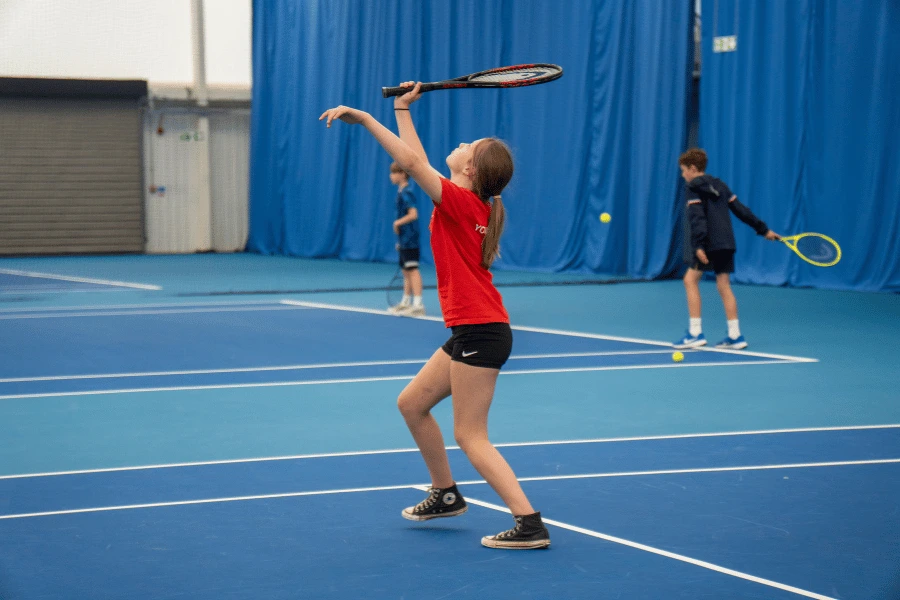
Junior & Teen Players
Young, growing bodies need consistent fuel for growth, energy and recovery. Restrictive diets or 'cutting-out' certain foods can limit access to key nutrition for growing athletes. Parents and Guardians, try to encourage exploring new foods and diversity in diet. Focus on a balanced diet and listen to your own body as it changes.
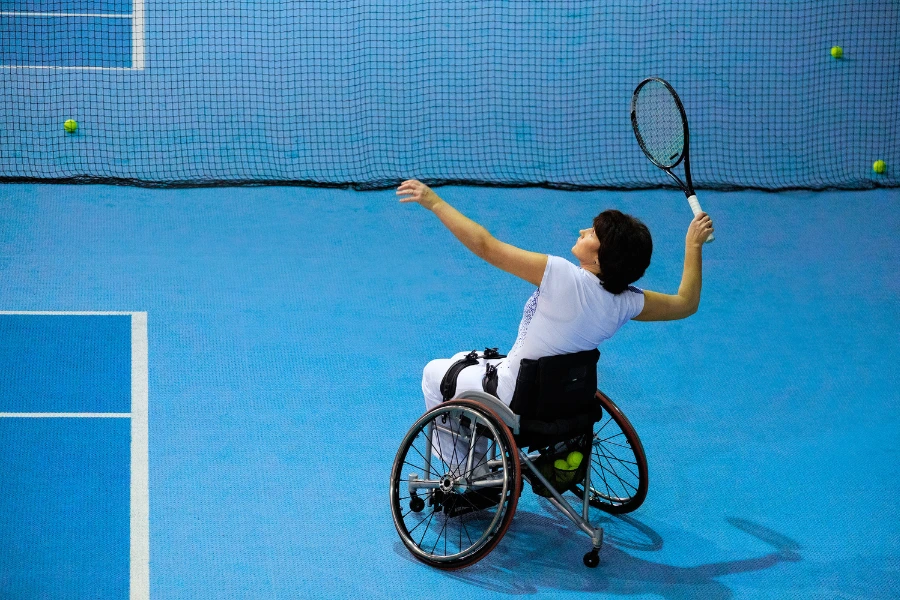
Adults & Performance Players
Consistent fuelling supports injury prevention and sustained performance across the week. It is a good idea to check in with your own diet and nutrition every few months to see where you can make small adjustments. If you are increasing your activity, you may need to add more carbohydrates and protein to keep up with your energy output. Equally, if you are taking a break or injured, you might need to adjust your diet to aid recovery and stay in good shape.
For women playing tennis, or any sport, it can also help to adapt your nutrition to your menstrual cycle. Increasing foods rich in protein and iron during your period can help maintain your strength and energy in training.
Athletes training and competing at a semi-pro or professional level, it is also important to consider the UKAD anti-doping guidance whilst planning your meals to ensure that you are eating clean to fuel your performance.
Whether you're just playing for fun or training for a big competition, healthy habits off-court help you enjoy tennis more, and will keep you coming back feeling energised!
Helpful resources: