
As we approach exam season we wanted to share our quick guide and simple steps to help students recognise their own signs of stress and manage stress levels through Active Wellbeing.
Small Changes for Big Impact
Student life is busy, studying alongside work and other commitments is a constant juggling act! Trying to maintain healthy habits doesn't have to be a big commitment, small changes to your regular routine can have a big impact on your resilience and wellbeing. Here's some of our favourite little changes that you can try, to effect a positive change.
Stress Awareness
Recognising the signs of Stress
How do you know when you're stressed? Stress is a natural fight or flight response to a perceived threat, and it can even be helpful to get us out of danger on occasions but prolonged or repeated stress can have long term effects on our overall health and wellbeing.
The perceived threat can be almost anything and will vary depending on each individual but our stress response can be identified through both emotional and physical symptoms including changes in mood, irritability, headaches, changes to digestion and flare-ups of skin conditions.
You can learn more about the signs of stress and find more support over at Mind.org.uk.
1. Sleep
Good sleep is key to managing your wellbeing. It provides the necessary rest we need for our bodies to repair and get ready to perform at our best the next day. Taking small steps to improve your bedtime routine can have a big impact on your general wellbeing and stress levels. Simple steps you can take to prioritise sleep include: reducing screen use before bed, avoiding caffeine later in the day and keep your sleeping space fresh and clean.
2. Stay Connected
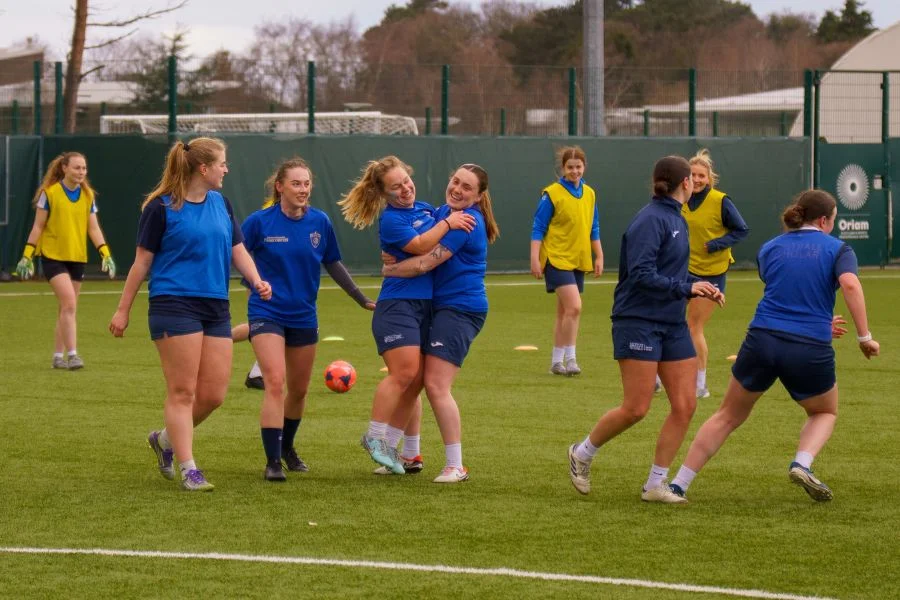
Whether its grabbing a coffee, going to the gym, or playing sport together; your social life is still important for a healthy balance. Spending time with friends is a great way to take you're mind off the big deadlines for a short while and can help you re-focus on your studies when you're done.
From our fitness classes to Sports Union Clubs, Oriam is a great place to meet new people, build connections, and share a love of sport.
3. Shake it up
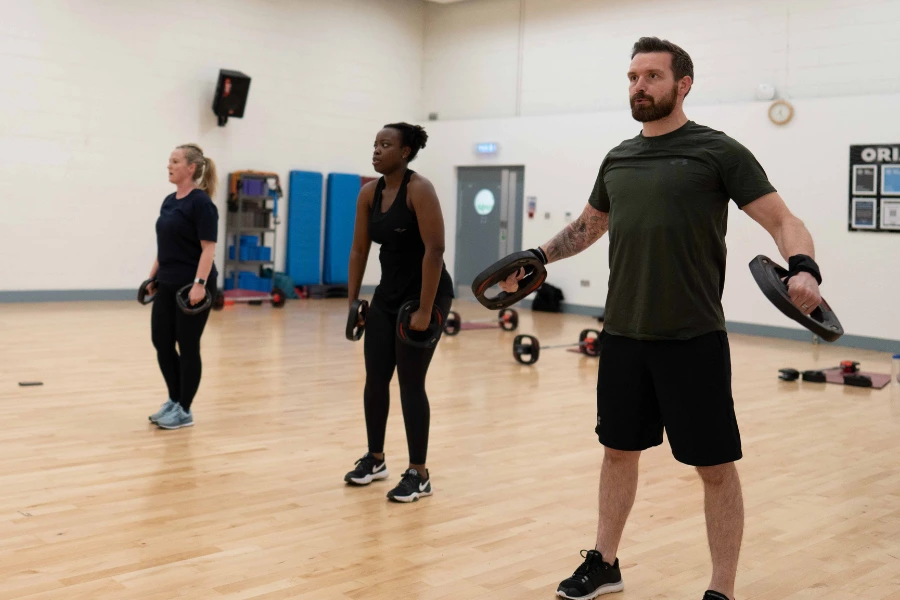
Being active and moving your body regularly is a great way to de-stress and manage your wellbeing. You don't have to run a marathon or spend hours in the gym to feel the benefits, you can literally shake off some stress with small movements. Shrugging your shoulders, shaking out your hands and feet and a few good stretches is sometimes all it takes to help you reset.
4. Lighten Up

Fresh air and natural light are great mood boosters. Through the winter months in Scotland, we don't get a lot of daylight so try to make the most of it with a lunch-time stroll around campus. NHS also recommends taking a Vitamin D supplement through the winter to help maintain healthy levels for bones, teeth and muscles.
5. Breathe
Your breath is a powerful tool to help with stress management. When we're stressed our heart-rate tends to increase and our breathing gets faster and shallower. Some of us may even hold our breath when anxious or stressed. Take a moment to check-in with your body, relax your shoulders, and take a few steady breaths to release tension and re-focus.
Helpful Resources
NHS Mental Health Support
Website| Stress - Every Mind Matters - NHS
Mind
Website| Signs and Symptoms of Stress
Brain Breaks
Webpage| Brain Breaks: Small Moments of Movement, Meaningful Impact - Oriam
At Heriot-Watt University, the Active Wellbeing Team have implemented a new Brain Breaks initiative, encouraging staff and students to add short breaks to teaching time to move, breathe and reset their focus. You can find out more about Brain Breaks here.
Back Onside
Website| www.backonside.com
We're pleased to be partnered with Back Onside, a Scottish based charity committed to tackling mental health illness. With 1 in 4 people experiencing mental health illness each year in the UK, yet only a quarter of these people receiving treatment, Back Onside work with both individuals and teams to tackle this, offering support and encouraging recovery through sport activities. They are focused on helping people by promoting self-confidence, raising self-esteem, unlocking inner potential and promoting sports-based activity.